
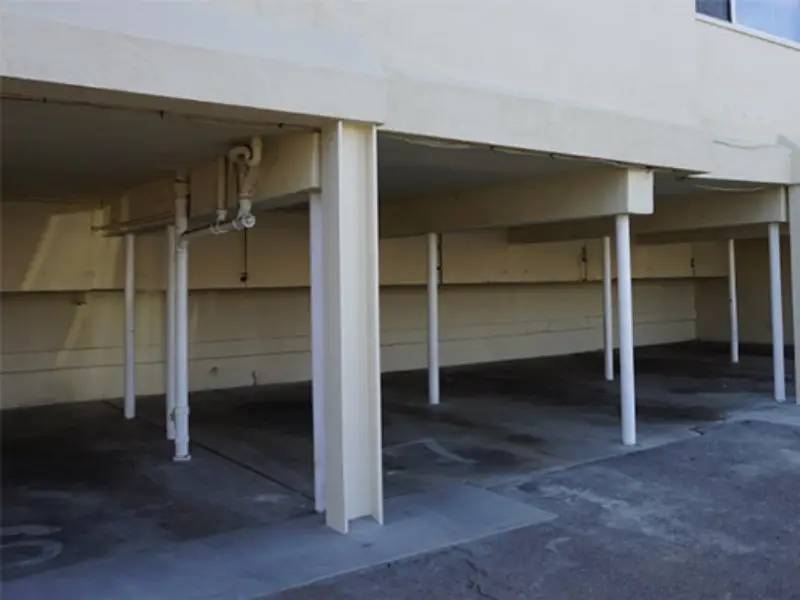
Soft-story buildings are among the most vulnerable structures during an earthquake, especially in regions like Pinole and the Greater Bay Area where seismic activity is common. If you own or manage a soft-story property near the Fitzgerald Drive neighborhood or anywhere in Pinole, ensuring your building is properly retrofitted is essential for safety, compliance, and long-term stability.
A soft-story building typically has an open ground level with large openings such as garages, carports, or commercial storefronts. Because the upper floors rely on a weaker and more flexible lower level, these structures are prone to collapse during strong earthquakes. Seismic retrofitting strengthens the ground floor so the building can withstand lateral shaking forces.
Retrofitting a soft-story building is one of the most effective ways to protect residents, prevent structural collapse, and comply with local earthquake safety regulations. Property owners in the Pinole area benefit from seismic retrofits by reducing risk, improving building resilience, and maintaining property value. A properly retrofitted structure is stronger, safer, and better equipped to handle sudden ground movement.
Soft-story buildings face several potential risks during an earthquake, including:
Seismic retrofitting strengthens the building’s lower level so it can better withstand earthquake movement. Contractors commonly implement solutions such as:
A seismic retrofit follows a detailed and carefully engineered process to ensure safety and compliance with local building standards:
Completing a soft-story seismic retrofit provides several long-lasting benefits:
A seismic retrofit strengthens weak structures so they can withstand earthquakes, reducing the risk of collapse or major damage.
Many California cities mandate retrofitting for soft-story buildings. Even in areas where it is not required, it is strongly recommended for safety and liability protection.
Most retrofits take from a few days to several weeks depending on building size, design complexity, and the type of reinforcement needed.
In most cases, tenants can remain in the building during the retrofit. Noise and temporary parking restrictions may occur, but displacement is usually not necessary.
Costs depend on building size, structural condition, and required reinforcement. An inspection is the best way to receive an accurate estimate.
Yes. A retrofitted building is more attractive to buyers, insurers, and tenants because it offers improved safety and reduced earthquake risk.
If your soft-story building is located in the Pinole area, especially near the Fitzgerald Drive neighborhood, scheduling a seismic evaluation is an important step in ensuring the safety and stability of your property.
At UCB Builders Inc., we specialize in seismic retrofit solutions for soft-story buildings throughout the Pinole and Greater Bay Area region. Soft-story structures are highly vulnerable during earthquakes, and our team is committed to strengthening these buildings to meet modern safety and seismic performance standards. We provide detailed evaluations, structural reinforcements, and retrofit plans designed to improve building stability and reduce the risk of collapse during seismic events.
Whether your property needs moment frames, shear walls, hold-down systems, or comprehensive soft-story reinforcement, UCB Builders Inc. delivers reliable, efficient, and code-compliant retrofit services. Our goal is to help property owners enhance safety, protect their investment, and meet local earthquake preparedness requirements with confidence.
Need a seismic retrofit assessment or project estimate? Get a Quote