
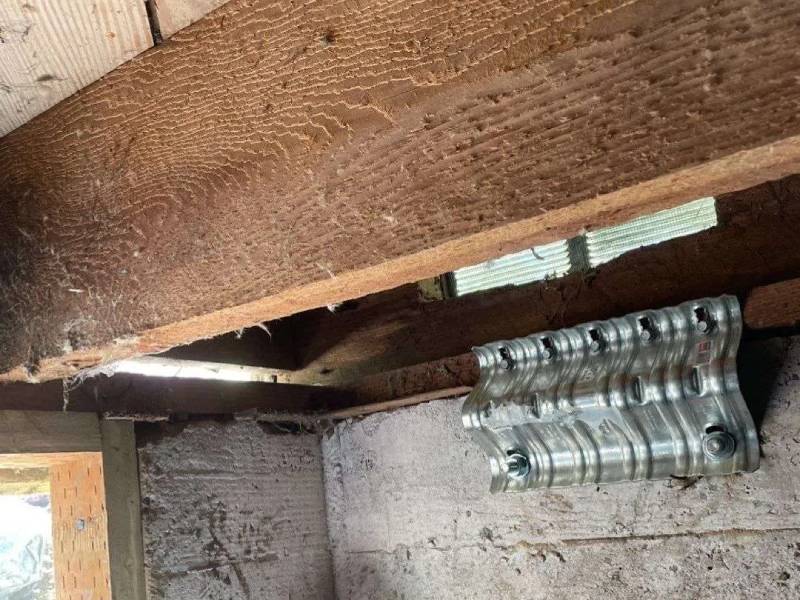
Crawl space homes are especially vulnerable during earthquakes, making seismic retrofitting an important safety upgrade for properties in Pinole and surrounding Bay Area communities. Homes near the Fitzgerald Drive neighborhood and throughout the region often sit on raised foundations that can shift or detach during seismic activity. A properly completed crawl space seismic retrofit improves stability, reduces structural risk, and ensures your home is better prepared for future earthquakes.
A crawl space seismic retrofit strengthens the connection between a home’s raised foundation and the ground in order to resist lateral movement caused by earthquakes. This involves reinforcing the cripple walls, adding anchor bolts, and installing bracing that prevents the structure from sliding off its foundation. The process is essential for older homes and those built before modern seismic codes.
Homes with raised foundations can suffer significant damage during an earthquake if not properly secured. Some structures may slide, tilt, or partially collapse when subjected to strong shaking. Retrofitting helps stabilize the home by securing the framing, reducing movement, and improving the overall resistance of the structure to seismic forces.
Crawl space homes in the Bay Area face several structural risks during seismic activity, including:
Crawl space retrofits involve strengthening the foundation and framing so the home can resist earthquake forces more effectively. Common retrofit components include:
A seismic retrofit for crawl space homes typically includes the following steps:
Upgrading a crawl space foundation offers long-term safety and structural benefits, including:
It strengthens the foundation and framing of a raised-floor home so it can withstand earthquake movement without sliding or collapsing.
Most projects take one to several days depending on crawl space size, accessibility, and the required reinforcement work.
Some California cities strongly encourage or mandate retrofitting for older homes. Even when not required, it is highly recommended for safety.
Yes. Retrofitted homes are safer, more reliable, and more attractive to potential buyers and insurers.
In most cases, you can stay in the home during the retrofit. Work is performed in the crawl space with minimal disruption.
The cost varies depending on the structure, retrofit requirements, and accessibility. A professional inspection provides the most accurate estimate.
If your home has a raised foundation and is located in the Pinole area, especially near the Fitzgerald Drive neighborhood, scheduling a crawl space seismic evaluation is a smart step in protecting your home from earthquake damage.
At UCB Builders Inc., we specialize in seismic retrofitting for crawl space homes throughout Pinole and the surrounding Bay Area. Our team is highly experienced in reinforcing raised foundations, securing cripple walls, and installing structural elements that help homes withstand earthquake forces. We focus on safety, precision, and reliable craftsmanship to ensure your home is better protected during seismic events.
Whether your home needs new anchor bolts, shear walls, bracing, or a complete crawl space reinforcement plan, UCB Builders Inc. provides efficient, code-compliant, and long-lasting solutions. We are committed to helping homeowners strengthen their properties, improve structural stability, and achieve peace of mind.
Need a crawl space seismic retrofit assessment or project estimate? Get a Quote